Strong Bones for Life: Why Bone Health Matters Before Menopause
Did you know that maximal bone loss in women begins before your periods stop—during perimenopause?
Bone health isn’t something that starts in midlife. It begins in our teenage years, when bone starts to mineralize. Bone density peaks between ages 25 and 30, then gradually declines—sharply accelerating from the mid-40s through the 60s.
When estrogen levels begin to drop in perimenopause, women transition from losing about 1% of bone mass per year to 2–3% annually. Over just 5–7 years, this can amount to a 15–20% loss in bone density. Before menopause, bone-building (osteoblast) and bone-breaking (osteoclast) cells work in balance, but perimenopause tips the scale toward bone loss.
Bone Health Across Life Stages
Pregnancy: Growing a baby requires calcium—about 500 mg a day. Some women lose 10–15% of bone density during pregnancy, especially if they start with low bone mass or experience severe nausea and vomiting (hyperemesis).
Breastfeeding: Producing breast milk draws calcium from your bones. Be sure to eat calcium-rich foods at every stage—your body (and bones) will thank you.
The Reality of Osteoporosis
80% of people with osteoporosis are women
1 in 7 women will develop osteoporosis before age 50
If you have osteoporosis, your lifetime fracture risk is 50%
Beyond the physical toll, fractures can lead to isolation, depression, and loss of independence. Let this be your motivation to prioritize prevention—because prevention is everything.
Prevention. Maintenance. Reversal.
Hormone Health Matters.
When perimenopause begins and estrogen levels fall, bone breakdown accelerates. This is the critical time to decide whether hormone replacement therapy (HRT) is right for you.
When based on science—not fear—estrogen, progesterone, and testosterone replacement can:
Improve bone density
Reduce fracture risk
Rebuild bone mass by 3–7%
How to Build and Protect Bone Naturally
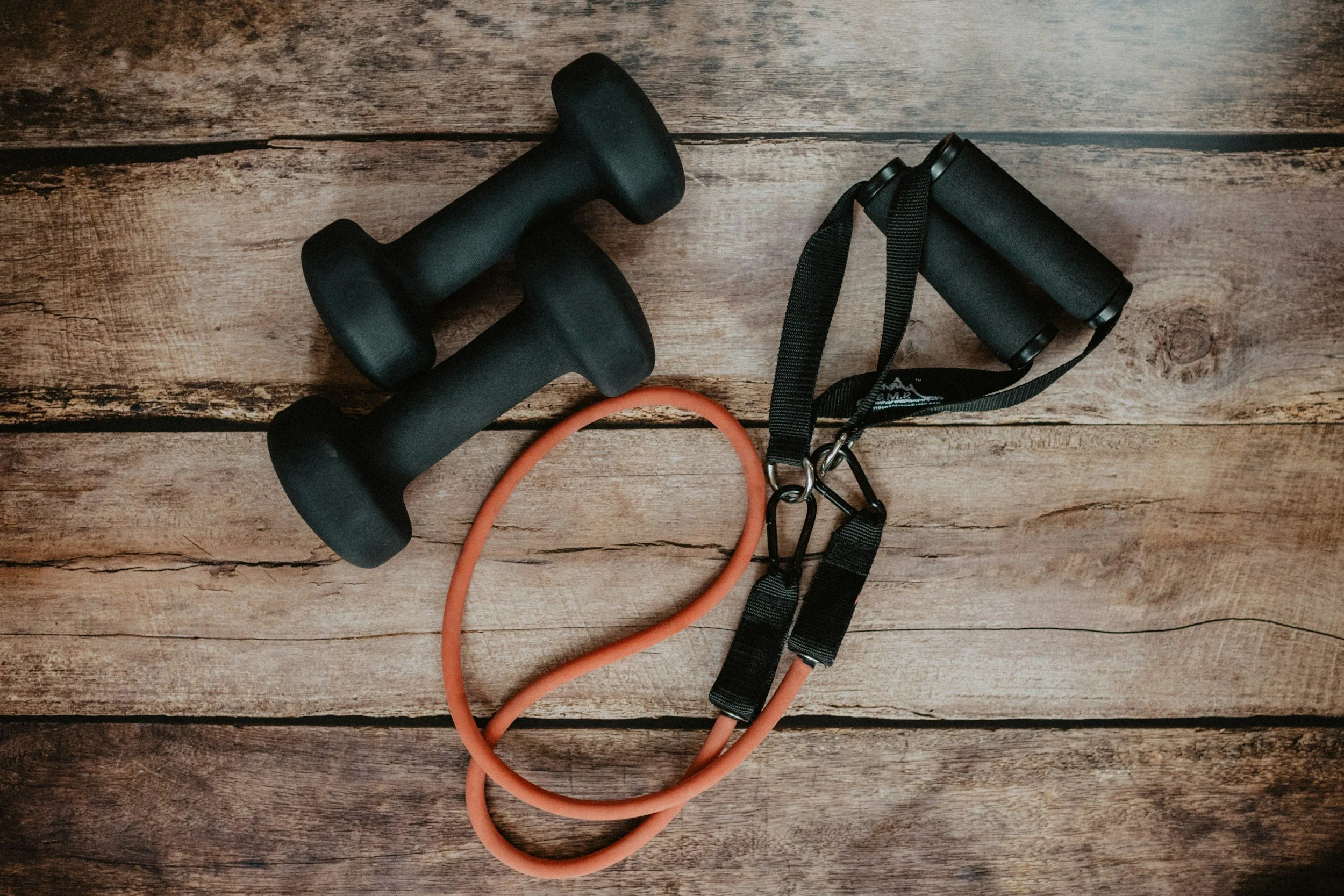
Move with impact. Weight training and resistance exercise can rebuild bone by up to 8%.
Jump! Impact sends a biomechanical signal that stimulates bone formation.
Eat for strength, not thinness. Bone is 50% protein—fuel it well.
Prioritize protein and anti-inflammatory foods
Eat calcium-rich foods: dairy, sardines, salmon with bones, prunes
Check your vitamin D and magnesium levels regularly
Know Your Numbers
Bone density ≠ bone strength. True bone strength lies in resilience—bending, not breaking.
The fractures we worry about most aren’t from mountain biking or skiing—they’re from everyday slips and falls, known as frailty fractures.
DEXA Scans: The gold standard for bone density testing.
Recommended for women starting at age 65, or earlier if you have risk factors (low body weight, smoking, family history, etc.).
Tip: Don’t wait—an out-of-pocket scan (~$100) can be life-changing information. Knowing your current bone health status as you enter perimenopause can literally save your bones.
FRAX Score: Estimate your 10-year fracture risk → Calculate here.
Echolight REMS Scan: A radiation-free alternative that measures both bone density and quality for a more complete picture of bone health.
Who Needs Treatment?
You may need pharmacologic therapy if you have:
A history of a fragility fracture
A T-score ≤ -2.5 (osteoporosis range)
Osteopenia (T-score between -1.0 and -2.5) plus high FRAX risk:
≥20% major fracture risk OR
≥3% hip fracture risk
Partner with the Right Provider
Find a clinician who values prevention—not one who tells you to wait until 65 to care about bone health. Early assessment and proactive management are key to protecting your strength and independence for decades to come.
Keep Learning
Stay curious. Science is always evolving, and so should your understanding of your body.
For a great listen, check out this episode:
🎧 Podcast: The Hard Reality of Bone Health with Dr. Vonda Wright, Episode #130
Your bones are your foundation—let’s make them strong, flexible, and resilient for life.
